The small space is not the design challenge that the real estate listing’s apologetic square footage and the moving company’s skeptical expression most consistently suggest — it is the specific design opportunity whose constraints most directly and most productively demand the creative intelligence, the functional precision, and the specific spatial thinking whose application to the small apartment, the studio, the tiny house, and the compact urban dwelling most completely and most genuinely transforms the limited square footage from the source of the daily frustration into the specifically curated, functionally excellent, visually beautiful living environment whose every element most directly and most thoughtfully serves the life lived within it. The design intelligence required for the small space exceeds that required for the large space in every dimension — the large room forgives the inefficient furniture placement, the unnecessary storage solution, and the decorative excess whose combined presence in the small space most immediately and most visibly produces the cramped, cluttered, visually oppressive environment whose experience is as specifically preventable as the design intelligence whose consistent application most completely and most reliably prevents it. The world’s most livable small spaces — the Japanese micro-apartment, the New York City studio, the Scandinavian compact flat, and the American tiny house — are not livable despite their small size but because of the specific design intelligence whose response to the constraint most directly and most creatively produced the solutions whose elegance, whose functionality, and whose specific quality of the life-serving design most completely demonstrate what the small space is genuinely capable of being when the person who inhabits it most specifically and most thoughtfully invests in the design thinking whose return in the daily quality of the living experience most powerfully and most enduringly justifies the investment. This guide covers the complete framework for the smart small space design — the furniture selection, the storage strategy, the visual expansion techniques, the lighting approach, the room-specific solutions, and the organizational philosophy whose consistent application most directly and most completely transforms the small space from the limitation to the specific expression of the design intelligence whose presence makes the difference between the small space that feels small and the small space that simply is not.
Furniture That Does Double Duty: The Cornerstone of Smart Small Space Design
The multi-functional furniture is the single most impactful available investment in the small space whose specific return in the square footage liberated from the single-use furniture whose replacement with the dual-purpose or the triple-purpose alternative most directly and most measurably increases the available living area without the physical expansion whose cost in the urban real estate market most specifically and most practically motivates the design intelligence that finds the additional space within the existing square footage rather than in the adjacent square footage whose acquisition is as financially prohibitive as the multi-functional furniture’s substitution is practically accessible. The sofa bed whose transformation from the comfortable seating surface to the genuine sleeping surface eliminates the dedicated guest bedroom whose single-use function most specifically and most wastefully consumes the square footage whose value in the small space most productively serves the multi-use living area whose flexible function most completely accommodates the full range of the daily activities that the small space most specifically and most continuously requires.
The murphy bed — the wall-mounted fold-down bed whose closed position as the flat wall panel, the functioning desk, or the decorative storage unit creates the most complete available daytime transformation of the sleeping area — is the small space furniture investment whose specific return in the daytime living area reclaimed from the sleeping area most directly and most measurably improves the small space’s functional quality throughout the waking hours whose majority of the daily occupancy most specifically motivates the sleeping area’s transformation into the fully functional daytime living space whose design intelligence the murphy bed most completely and most practically enables. The ottoman with the hidden storage whose top cushion serves the seating, the footrest, and the coffee table function while the interior stores the blankets, the books, the board games, and the full range of the household items whose clutter-free storage most directly improves the living space’s visual quality is the small space furniture investment whose specific combination of the seating, the storage, and the surface creates the most complete available multi-function return on the single furniture investment available in the small space living room. The dining table that folds against the wall when unused, the coffee table that raises to the dining height for the meal, the desk that folds from the bookcase’s side panel, and the storage bench that lines the entryway while providing both the seating and the shoe, the bag, and the seasonal item storage are the specific multi-functional furniture examples whose combination in the small space most completely and most efficiently maximizes the functional content within the specific square footage whose management through the multi-function furniture strategy most directly produces the most livable available small space.
Vertical Space: The Untapped Real Estate That Most Small Space Dwellers Ignore
The vertical space — the wall area above the standard furniture height whose extension from the sofa back and the desk surface to the ceiling most specifically and most completely represents the small space’s most consistently underutilized available square footage — is the dimension of the small space whose intelligent exploitation through the floor-to-ceiling shelving, the high-mounted storage, and the vertical organization system most directly and most dramatically increases the effective storage volume without the floor footprint expansion whose specific limitation in the small space most directly motivates the vertical alternative whose upward expansion creates the storage capacity whose downward limitation most specifically and most practically prevented. The floor-to-ceiling bookshelf — the built-in or the freestanding unit whose height extends to within inches of the ceiling creates the most dramatic and the most functionally complete available vertical storage solution — simultaneously provides the maximum book storage, the display surface for the objects whose visual interest is as genuinely important to the home’s aesthetic quality as the functional storage whose provision most directly motivates the installation, and the specific visual interest of the tall architectural feature whose presence in the small space creates the specific quality of the defined, furnished, purposeful wall surface whose absence in the bare-walled small space most directly and most visually communicates the unfinished, temporary quality that the floor-to-ceiling presence most specifically and most permanently replaces.
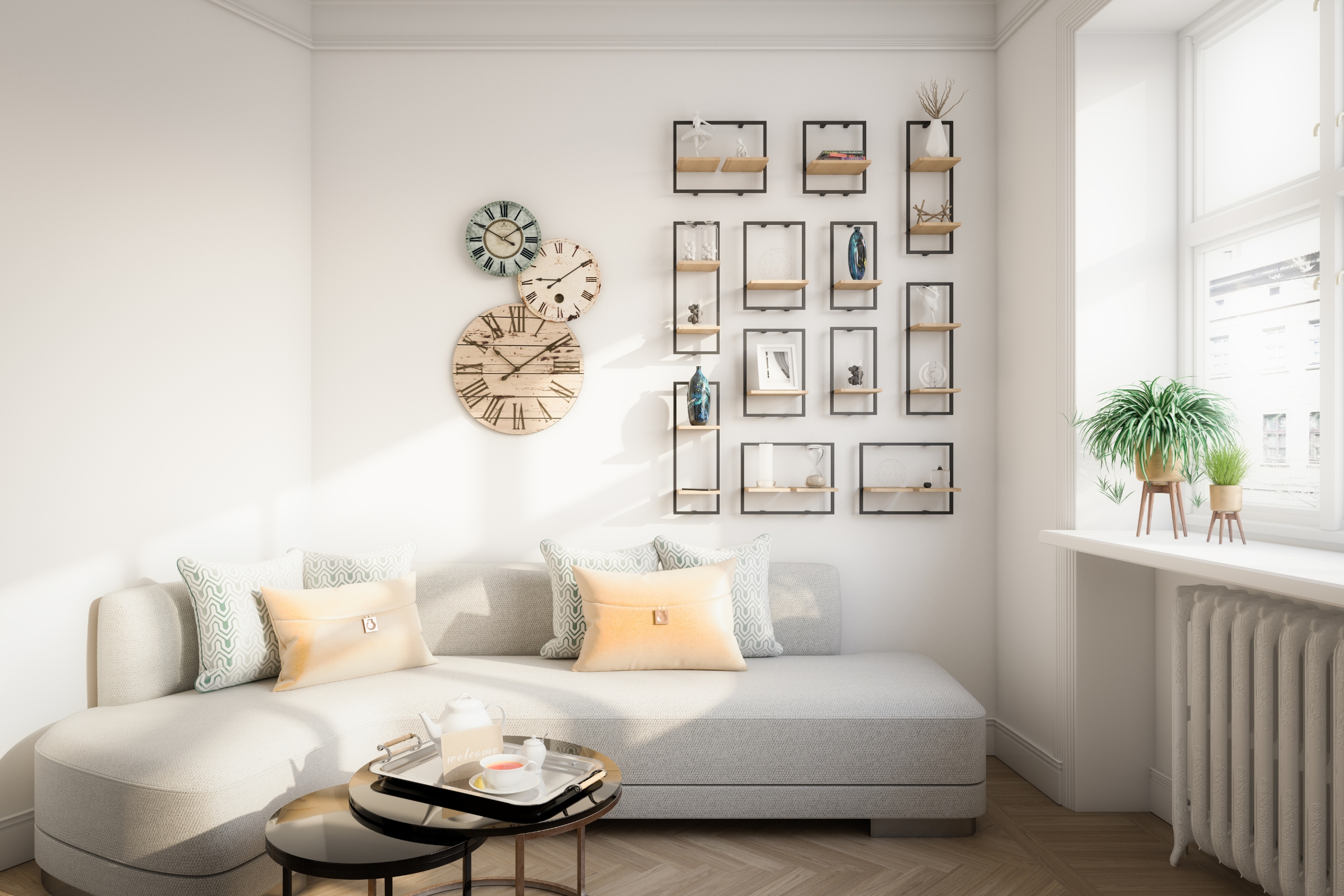
The floating shelf whose wall-mounted installation eliminates the floor footprint of the traditional freestanding shelving unit creates the most space-efficient available storage surface for the small space whose every square foot of the floor area is as genuinely valuable as the wall area whose exploitation through the floating shelf most directly and most practically increases the storage capacity without the floor footprint cost whose specific limitation in the studio and the one-bedroom apartment most specifically motivates the floating shelf’s adoption as the most broadly applicable available small space storage solution. The hanging rod system in the kitchen whose installation below the upper cabinets creates the most accessible available small kitchen storage for the frequently used pots, the utensils, and the cutting boards whose hanging storage most specifically and most practically reclaims the cabinet interior for the less-accessed items whose storage in the freed cabinet space most directly and most measurably improves the kitchen’s functional organization. The ladder shelf, the pegboard system, the track-mounted storage wall, and the magnetic knife strip whose vertical organization eliminates the drawer or the block storage are the specific vertical space solutions whose combination in the home and garden of the small space most completely and most efficiently exploits the wall area whose specific storage potential is as genuinely abundant as the floor footprint is genuinely limited.
The Illusion of Space: Visual Tricks That Make Small Rooms Feel Larger
The visual expansion of the small space — the specific design techniques whose application most directly and most immediately creates the perception of the larger, more open, more spacious environment without the physical addition of the square footage whose cost most specifically motivates the perceptual alternative — is the design intelligence category whose mastery most powerfully transforms the small space experience from the accurate perception of the constraint to the specific experience of the space that feels larger than its measured dimensions most accurately suggest. The specific visual expansion techniques whose consistent application to the small space most directly and most reliably produces the spacious perception include the light color palette, the strategic mirror placement, the visual line continuation, and the furniture scale selection whose combination creates the most complete available perceptual expansion of the actual square footage whose physical limitation the design intelligence most effectively and most beautifully transcends. The light color palette — the white, the cream, the light gray, and the pale warm tones whose specific high reflectance value creates the most light-bouncing available surface whose brightness most directly creates the airy, open quality that the dark color’s light absorption most specifically and most visually prevents — is the most broadly applicable and the most immediately impactful available small space visual expansion technique whose application to the wall, the ceiling, and the trim creates the specific luminous quality that the small space most specifically benefits from and that the dark color’s visual weight most directly and most preventably undermines.
The strategic mirror placement — the large format mirror whose positioning on the wall opposite the window creates the specific visual depth of the reflected outdoor view whose perception of the extended space most directly and most powerfully creates the illusion of the doubled room — is the visual expansion technique whose specific effect on the small space’s perceived size is the most immediately dramatic and the most consistently surprising available in any single decorating intervention. The floor-length mirror whose vertical proportion most specifically and most dramatically creates the ceiling height perception, the mirrored backsplash whose kitchen installation creates the specific depth perception that most effectively expands the small kitchen’s visual volume, and the mirrored closet door whose full-wall installation creates the most complete available bedroom visual expansion are the specific mirror applications whose combination in the small space most comprehensively and most affordably creates the visual expansion whose impact on the daily experience of the space is as genuinely significant as any structural modification available at any comparable cost. The continuous flooring whose uninterrupted extension through the multiple areas of the open-plan small space creates the most visually unified available ground plane whose specific absence of the visual interruption from the area rug boundary, the threshold, or the flooring material change most directly and most powerfully communicates the spatial continuity that the small space’s visual expansion most specifically requires for the room-to-room flow whose unbroken quality most completely creates the larger, more unified feeling that the interrupted flooring most specifically and most avoidably prevents.
Smart Storage Systems: A Place for Everything and Nothing on the Floor
The storage system is the functional heart of the small space whose specific organization most directly and most continuously determines whether the daily experience of the limited square footage is the specific orderly, clutter-free, visually peaceful environment of the well-organized small space or the specific chaotic, surface-covered, visually overwhelming experience of the under-stored small space whose every horizontal surface is covered with the items that most specifically and most preventably lack the dedicated storage location whose provision through the intelligent storage system most directly and most completely transforms the small space’s functional and visual quality. The under-bed storage — the specific utilization of the six to twelve inches of the vertical clearance beneath the bed frame whose bed riser elevation creates the additional storage height for the flat storage containers whose fit beneath the raised bed most specifically and most practically accommodates the seasonal clothing, the extra bedding, the shoe collection, and the full range of the rarely accessed household items whose under-bed location removes them from the primary storage areas whose capacity is as genuinely limited as the under-bed alternative’s capacity is genuinely abundant in the specific quantity of the small space bedroom’s total available storage volume.
The entryway organization system — the specific installation of the coat hook rail at the door, the shoe storage bench or the shoe cabinet whose slim profile most directly serves the narrow entryway, the key hook and the mail holder whose wall-mounted installation eliminates the surface accumulation of the daily arrival items, and the basket or the bin for the dog leash, the umbrella, and the daily essentials whose designated location most specifically prevents the floor pile that the unorganized entryway most commonly and most immediately creates — is the small space storage priority whose specific impact on the first impression of the home, the daily arrival experience, and the specific prevention of the clutter creep whose beginning at the door most commonly and most preventably spreads through the entire small space most directly and most persuasively justifies the specific investment whose functional return in the daily organized arrival is as immediately felt as any available home and garden improvement. The kitchen storage maximization through the deep drawer organizer, the pull-out cabinet insert, the corner cabinet lazy Susan, the under-sink organizer, and the pantry door organizer whose combination most completely utilizes the existing cabinet infrastructure’s specific storage potential creates the most complete available kitchen organization without the cabinet addition whose cost in the small kitchen’s limited renovation budget most specifically and most practically motivates the organization of the existing storage rather than the expansion of the total cabinet volume.
Zoning Without Walls: Defining Spaces in the Open-Plan Small Home
The open-plan small space — the studio apartment, the loft, the open-concept tiny house, and any small living environment whose single room most specifically combines the sleeping, the living, the dining, and the working functions whose coexistence without the physical separation most commonly creates the specific spatial and the specific psychological challenge of the undefined, boundary-free environment whose lack of the dedicated zone for each activity most directly produces the specific restlessness, the specific inability to transition between the activities, and the specific visual chaos of the multi-function space whose organization into the distinct, purposefully defined zones most directly and most completely addresses the specific challenge whose management through the design intelligence most specifically and most practically creates the functional clarity that the physical wall most simply but most expensively provides — requires the specific design techniques whose application most directly creates the zone definition whose absence most specifically and most persistently produces the specific undifferentiated quality that the open-plan small space most commonly and most functionally fails to overcome without the intentional design intervention. The area rug is the zone definition tool whose specific placement beneath the seating arrangement most directly and most immediately creates the living room zone whose visual boundary from the surrounding flooring most specifically and most effectively communicates the dedicated living area whose separation from the sleeping area and the dining area most completely and most practically organizes the open-plan space into the functionally distinct zones whose presence most directly improves the daily functional experience.
The lighting differentiation — the specific use of the pendant light above the dining table, the floor lamp beside the reading chair, and the bedside table lamp at the sleeping area whose respective pools of light most specifically and most visually define the functional zones whose nighttime differentiation through the distinct light sources creates the most architecturally effective available zone definition in the open-plan space — is the zoning technique whose specific daytime and nighttime effectiveness creates the most complete available functional clarity across the full daily use cycle whose management through the lighting design most directly and most elegantly solves the specific zone definition challenge whose solution through the physical partition would most completely compromise the open-plan space’s specific quality of the visual openness whose preservation is as genuinely important to the small space’s livability as the functional differentiation whose provision through the lighting most specifically and most compatibly achieves. The bookshelf used as the room divider whose open-back or the closed-back design creates the specific visual permeability that the opaque wall most completely prevents while the specific zone delineation whose communication through the furniture placement most directly achieves creates the most complete available balance between the spatial openness and the functional separation — the home and garden design solution whose specific application to the studio apartment and the open-plan small home most directly and most practically organizes the multi-function space into the livable, functional, visually coherent environment whose quality most specifically and most enduringly reflects the design intelligence whose investment in the small space most completely and most genuinely rewards the person whose daily life most fully benefits from the thoughtfully organized, beautifully designed, maximally functional living environment that the small space design at its most excellent most completely and most specifically provides.
Conclusion
The small space that is designed with the genuine intelligence, the genuine respect for the functional requirements, and the genuine appreciation for the specific opportunities that the constraint most directly and most productively creates is the small space whose daily experience most completely transcends the specific limitation of the square footage whose measurement most inaccurately and most discouragingly predicts the quality of the life lived within it. The multi-functional furniture whose every piece serves the multiple purposes, the vertical space exploitation whose upward extension of the storage most directly reclaims the floor footprint, the visual expansion techniques whose light color, strategic mirror, and continuous flooring most powerfully and most perceptually enlarge the actual space, the intelligent storage system whose dedicated location for every item most specifically and most completely eliminates the clutter whose visual presence is as genuinely damaging to the small space’s livability as the storage system’s absence is specifically and practically preventable, and the zone definition whose area rug, pendant light, and strategic furniture placement most completely organizes the open-plan space into the functionally distinct and psychologically satisfying living areas — together these specific design approaches constitute the complete small space living framework whose consistent application most directly and most completely transforms the home and garden of the small space from the daily reminder of what is missing into the specific demonstration of what is possible when the design intelligence that the constraint most specifically and most productively demands is applied with the care, the creativity, and the genuine commitment to the quality of the daily life that the small space most specifically and most generously deserves.